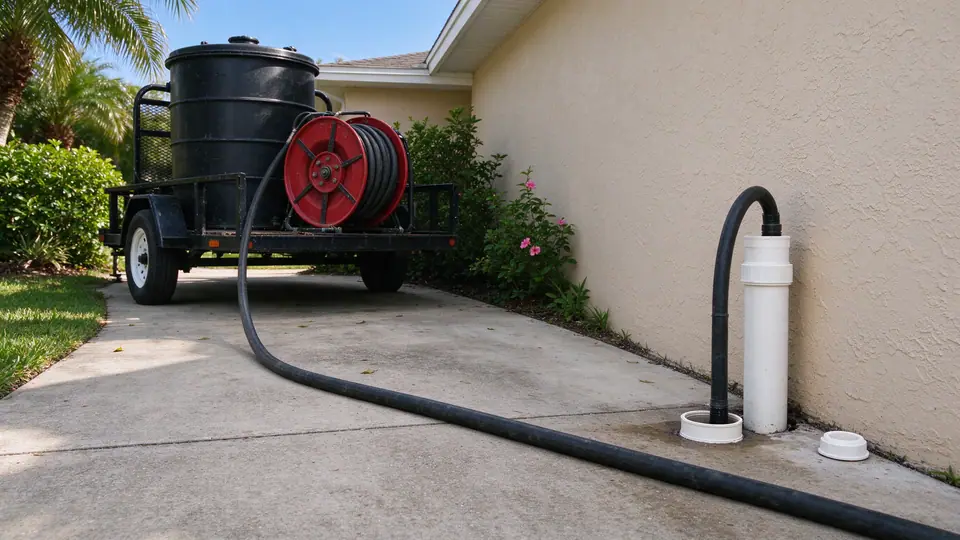
Sewer pipe lining in Tampa rehabilitates a suitable existing private sewer without replacing every section through an open trench. Cured-in-place pipe, often called CIPP, is a specific rehabilitation method. Its value depends on the pipe being a suitable host and on preparation that leaves the intended passage ready for installation. Terra Tampa Sewer Line Repair offers this work for private sanitary piping in Tampa and nearby Hillsborough communities. Work is performed by fully licensed and insured contractors. Public mains, pumps, septic tanks and drainfields, and domestic water repiping are outside this service.
What does the liner change inside the pipe?
The liner creates a new internal lining along the treated length. It can address certain cracks, defective joints and deteriorated surfaces, depending on the inspected conditions and specified system. It follows the route that already exists. That distinction matters: improving an internal passage is different from raising a low pipe or changing its alignment.
How the method relates to the pipe
Preparation, placement, curing and reconnection requirements are parts of the installation. Deposits and obstructions can interfere with a useful assessment and the intended finished passage. A lining proposal should explain the preparation included, how readiness is checked and which connections need attention after installation. The owner should not have to infer these items from the word CIPP.
An impassable collapse, unsuitable deformation or a route needing correction can change the recommendation. A camera view obscured by standing water is a limitation to investigate, not permission to assume that the unseen pipe wall is suitable. The installation system and site condition need to be considered together.
Access and the property above the line
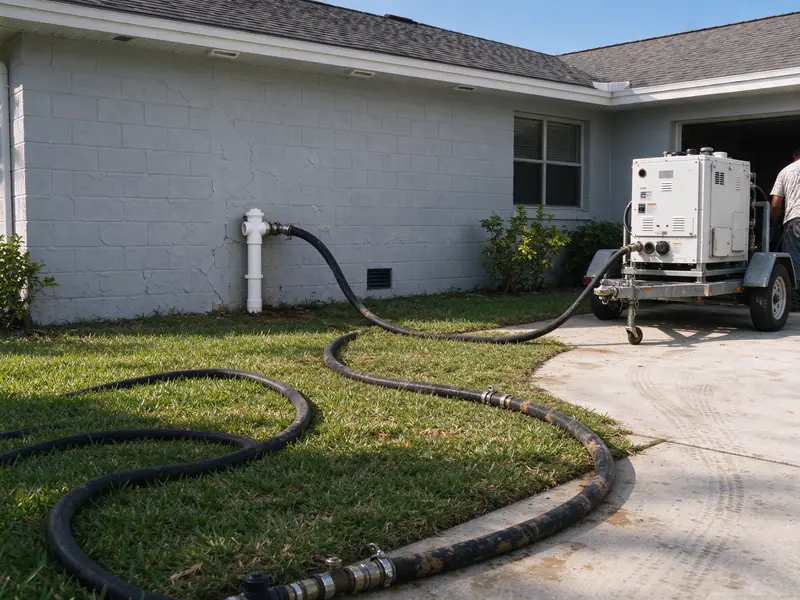
Identify where the liner starts and ends and how equipment reaches the line. Access at one point does not automatically solve all branch or endpoint requirements. If a connection requires excavation, include its surface restoration in the comparison. Ask which existing sections would remain untreated and why retaining them is appropriate.
The treated length should be identified before a lining decision. Ask where the liner would begin and end, how branch openings would be addressed and what happens to any section outside that length. Preparation is not merely a preliminary charge: the condition of the surface and remaining passage affects the installation. The completion record should make it possible to relate the finished work to the original finding. If the recommendation relies on a partly obscured camera view, establish what must be clarified first. Lining can be a useful rehabilitation method without being the answer to every old or restricted sewer.
Compare the complete work
Lining and bursting are not two versions of the same repair. Bursting replaces pipe along the route; lining retains the host and creates an internal rehabilitation. Excavation can expose a section for alignment correction. Choose among them using the actual failure, pipe condition and access constraints rather than a general preference for no digging.
Define what is included before authorizing work
A written estimate should separate the identified pipe work from access, preparation and restoration. Check whether the proposed price includes cleaning needed for inspection, reconnection of affected branches, permit coordination and the agreed completion record. A pipe-only allowance and a complete access-and-restoration estimate are not equivalent totals. Where a section could not be inspected, identify the uncertainty and the process for approving a change if further work is needed.
Insurance, assistance and service payment are separate questions. A recommendation does not establish policy coverage or eligibility for a program. Keep the recording and written scope and obtain any necessary authorization from the insurer or administrator. No free visit, warranty, financing arrangement or fixed response time is implied by the service description.
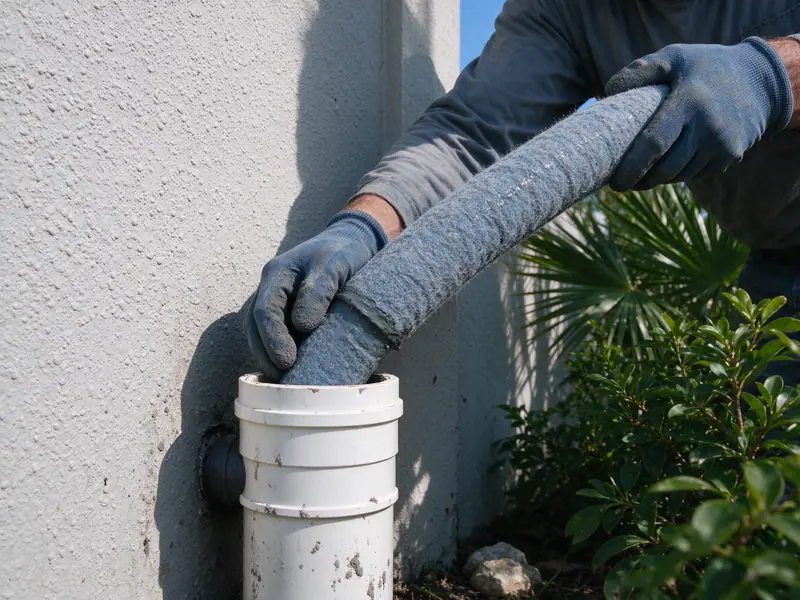
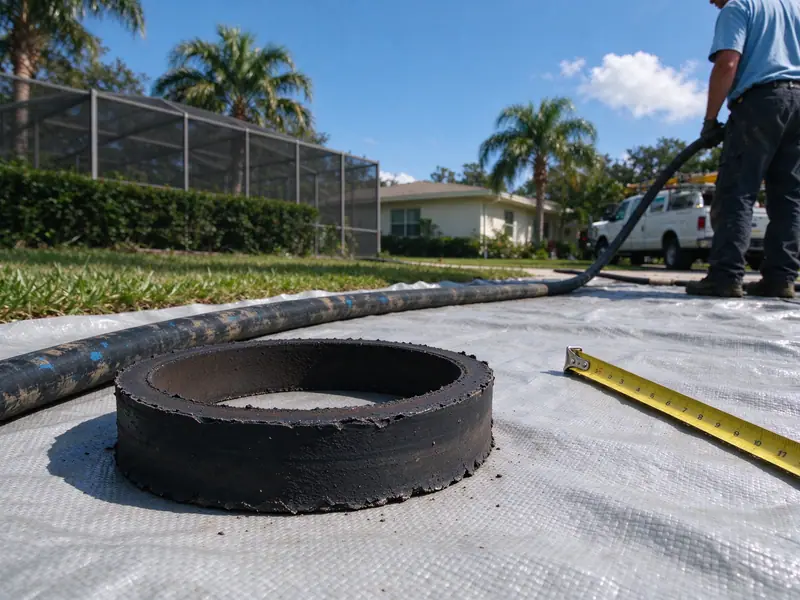
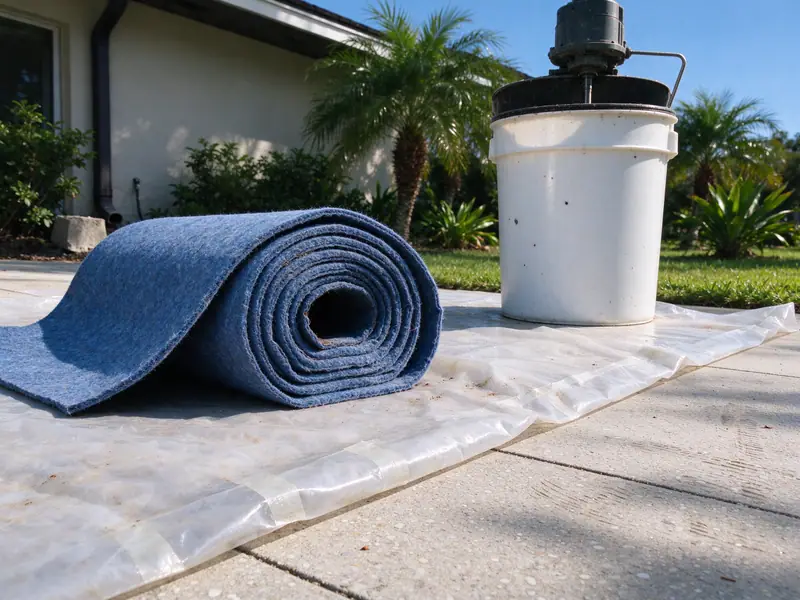
What this work looks like
Cost and scope questions
A national CIPP planning allowance is $90–$250 per linear foot for a suitable host pipe. It is not a verified Tampa average or a Terra rate. Preparation, branch work, minimum mobilization, access, permits and restoration need a defined scope.
The sewer repair cost guide distinguishes local inspection and clearing planning ranges from national method allowances. Do not apply a wage-ratio multiplier or assume a national unit allowance is a local quote.
Completion evidence
Before acceptance, agree what will document the installed length and relevant connections. A post-work camera record may show the accessible finished passage, but it should be accompanied by the scope and required inspection records. Keep limitations visible if the entire downstream system was not part of the project.
The work record should make the repair understandable after the surface is closed or equipment removed. Ask which section was observed, which was treated or replaced and what remained outside the scope. Keep any required inspection record with the approved estimate. If the proposed documentation is only a verbal summary, establish whether that is sufficient for the decision you are making before authorizing additional work.
What the property record should show
Cured-in-place pipe lining forms a new lining within an existing sewer pipe. It can address certain cracks, leaking joints and deteriorated surfaces when the host pipe remains suitable. Preparation is part of the work: obstructions and deposits need attention before a liner is installed.
An inspection needs to establish passage, shape, connections and the extent of damage. Lining follows the existing route. It does not lift a sagging line or rebuild the alignment of a collapsed section. Branch connections and access points must be included in the proposed scope.
Review the pre-installation recording, preparation checks and the completion evidence you will receive. A lining quote should explain the treated length and any excluded sections, rather than simply promise a new pipe without digging.
Questions about sewer pipe lining
What should a sewer pipe lining recommendation establish first?
The recommendation should connect the observed condition to the proposed scope. Ask what was seen, where the finding is located and which sections were not observed. The answer should explain why this service is appropriate rather than simply naming a method.
Can a liner raise a low section of pipe?
No. A liner follows the existing route. A low section requiring grade correction needs a method discussion that addresses the alignment rather than only rehabilitating the interior.
How should access be addressed in a sewer pipe lining estimate?
Identify the proposed entry or excavation location and the surfaces above it. Ask whether equipment movement, branch connections and final finishes are included. The completed-project comparison needs those items, even when the pipe work itself is narrowly defined.
What information helps an estimate for sewer pipe lining?
Send the property location, affected fixtures, inspection recording and any earlier written recommendation. Identify paving, occupied rooms or common access that could affect the work. Use Get an Estimate to describe what is happening.
What completion record should accompany sewer pipe lining?
Retain the approved work limits, any required inspection documents and the agreed completion evidence. Those records should distinguish the work completed from retained pipe and unobserved sections. Keep them with the property file for future assessment.
Read more about this decision
See pipe lining vs pipe bursting for the related planning questions. See trenchless vs excavation for the related planning questions. See reading sewer camera report for the related planning questions. See checking completed sewer repair for the related planning questions.
Related service options
Compare trenchless sewer repair, pipe bursting, sewer line replacement, or describe the property and symptoms before deciding which scope fits.